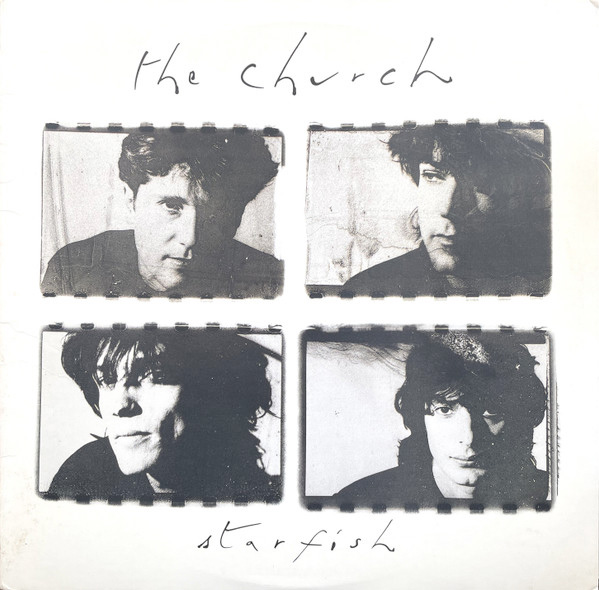
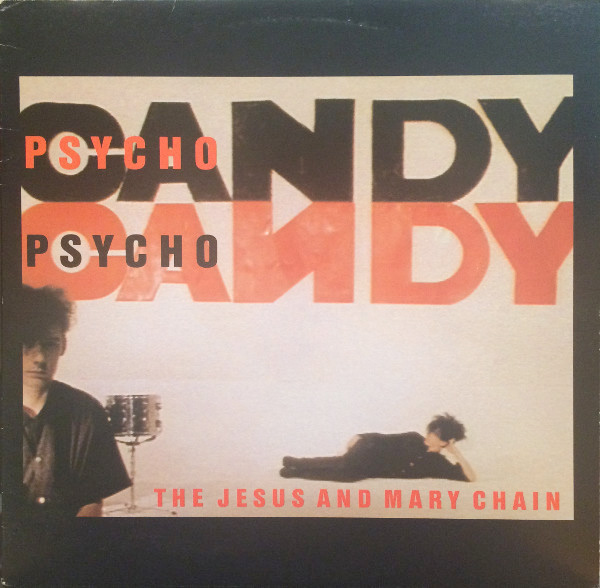
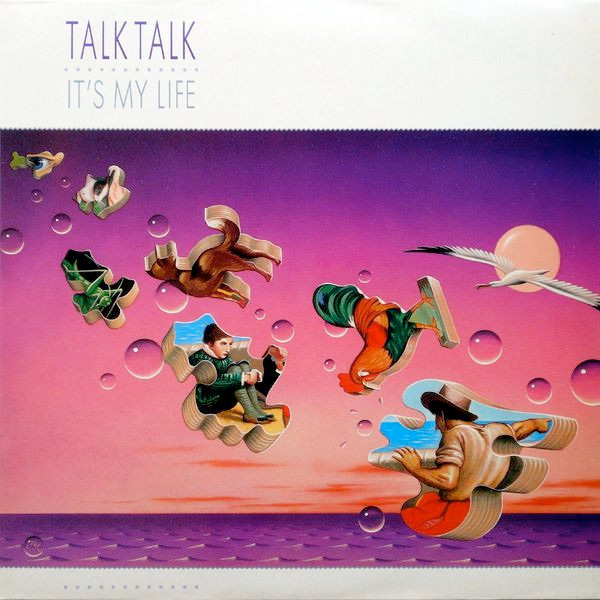
Polished production and chart success defined much of the musical landscape in 1988, but a quieter shift was underway in the underground and on college radio. The sounds that would define the next decade – louder, more unpredictable, and less concerned with convention – were starting to emerge. Many of those changes weren’t happening on the mainstream charts, but records like these: albums that challenged expectations, blurred genres, and took creative risks that didn’t always translate commercially. Over time, though, their importance has become undeniable, revealing a pivotal moment when alternative music was finding its voice.
With blockbuster albums from U2, Michael Jackson, Whitney Houston, and Guns N’ Roses dominating the 1987 cultural landscape, it was easy for innovative, left-of-center releases to slip through the cracks.
Meanwhile, college radio, indie labels, and international scenes fostered bands who pushed boundaries, experimented freely, and laid the groundwork for the 1990s alternative explosion.
These five albums didn’t receive the widespread attention they deserved at the time, but each has since proven to be a vital part of the decade’s musical DNA.
Guadalcanal Diary – 2×4
Released in May 1987, 2×4 found Georgia’s Guadalcanal Diary honing a darker, sharper sound while maintaining the jangly Southern charm that made them standouts in the early college-rock scene. Their blend of wiry guitar lines, surreal lyrical imagery, and emotional depth helped set them apart from the more straightforward jangle-pop emerging around them. Constant comparisons to R.E.M. overshadowed the band’s uniqueness, and without major-label promotion, they struggled to break nationally despite critical acclaim and strong songwriting. Still, the album stands as one of the Southeast’s great alternative records — a moody, imaginative release that continues to resonate with indie artists who blend melody with melancholy.
Standout tracks: “Litany (Life Goes On),” “Under the Yoke,” “Get Over It.”
Moving a large vinyl record collection is something every collector dreads. Records are heavy, fragile, and often irreplaceable. Once you’ve lived with a collection for years, the idea of packing it all up can be overwhelming.
If you have to move, remember that protection in every stage matters. Clean, new inner sleeves can help prevent scratches and static when records are packed tightly. Our outer sleeves protect jackets from scuffs, dust, and other contaminants during handling. Starting a move with properly sleeved records adds an important layer of insurance.
Box choice determines whether a move succeeds or fails. Vinyl weighs more than most people expect, and standard moving boxes often use a taped bottom seam that can split. The recent move by Vinyl Latte’s Louis V. emphasizes why record-specific boxes matter. BCW Record Boxes are made from heavy-duty cardboard and use a strong banker’s box design with a one-piece bottom and no taped seam to blow out. That extra strength makes lifting, stacking, and transporting records far less stressful.
To show what a vinyl move really involves, Vinyl Latte’s Louie V. documented the process of relocating his 4,500-plus record collection. Throughout the series, he shares what worked, what was challenging, and what he learned along the way. While the scale of his collection is larger than many, the lessons apply to any record collector preparing to pack up shelves of vinyl and move them safely to a new home.
The 1986 pop charts were dominated by the neon-bright shine of megastars like Whitney Houston, Madonna, and Bon Jovi, as MTV fueled the mainstream with an endless stream of blockbuster hits.
At the same time, an entirely different musical current was flowing beneath the surface. Across punk clubs, college radio, and independent labels, artists were pushing genre boundaries, exploring new sounds, and shaping the future of alternative music in real time. Many of these records didn’t make much commercial noise at the time, but their long-term influence is undeniable. These five albums may have been overshadowed in their moment, but each one deserves a fresh spin today.
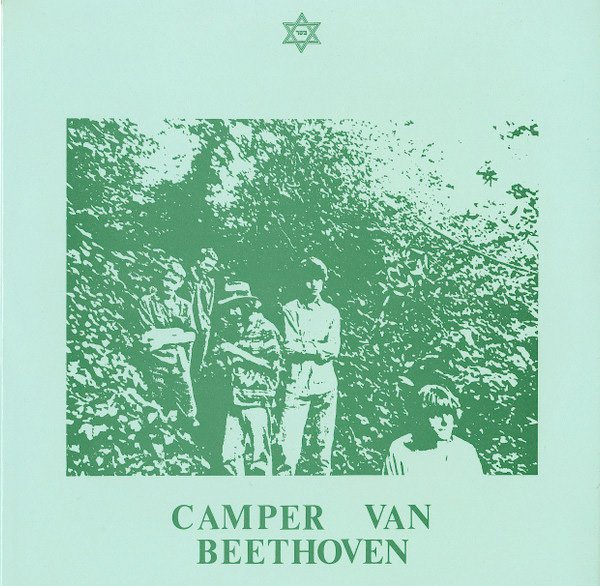
Camper Van Beethoven – II & III
Camper Van Beethoven’s sophomore release, II & III, arrived in 1986 and further cemented the band’s status as indie rock’s merry pranksters. While their debut introduced the band’s unique blend of ska, folk, punk, and Eastern European influences, this album expanded that palette with tighter songwriting and an even more refined sense of controlled chaos. Often overlooked in favor of their more popular debut or the later Key Lime Pie, II & III didn’t enjoy the same level of cult hit recognition, but it’s arguably just as innovative. It was too weird and too wide-ranging for mainstream radio, but that’s precisely what made it special. Today, its fearless experimentation and genre-hopping spirit make it a touchstone for alternative and college rock bands who followed in their footsteps.
Standout tracks: “Circles,” “Sad Lover’s Waltz,” “ZZ Top Goes to Egypt.”
The year 1985 was a musical juggernaut, marked by Live Aid’s global moment, MTV’s influence as a cultural force, and blockbuster hits from Whitney Houston, Madonna, Bryan Adams, Dire Straits, and Phil Collins.
It was also a year of quiet revolutions. While mainstream radio blared the familiar, artists working on the margins were bending genres and forging paths that would shape the future of alternative, indie, and underground music. The following five albums may not have been radio darlings, but each one has aged remarkably well, influencing a whole generation of musicians and fans.
With MTV’s influence rippling through the charts and landmark albums from Madonna (Like a Virgin), Prince (Purple Rain), and Bruce Springsteen (Born in the U.S.A.), 1984 is often referred to as “Pop’s Greatest Year.” The year saw 99 singles reach the Top 10 of the Billboard Hot 100 chart, including 20 No. 1 hits from artists like Prince, Madonna, Cyndi Lauper, Kenny Loggins, Tina Turner, Phil Collins, Culture Club, and Wham!
Beyond the MTV darlings and epic mainstream albums, 1984 was a year that saw a wave of emerging artists release essential works that were overshadowed by the pop boom. Some were deemed too experimental, while others were considered too subtle, and some arrived before the world was ready. Here are five records that may not have topped the charts during “Pop’s Greatest Year” but have left a lasting legacy.
It is not hyperbole to say that 1983 was one of the most influential years in modern music history. Among the releases during this pivotal year were Synchronicity by The Police, Madonna’s self-titled debut, War by U2, Pyromania by Def Leppard, Speaking in Tongues by Talking Heads, Piece of Mind by Iron Maiden, Kill’ Em All by Metallica, Let’s Dance by David Bowie, and Murmur by R.E.M., to name a few.
In a year dominated by blockbuster releases, it’s easy to overlook other gems that 1983 had to offer. Beyond the chart-dominating pop hits and the rise of heavy metal were albums that were underrated or unappreciated at the time. Whether they slipped through the cracks due to limited promotion, unconventional styles, or being ahead of their time, these five records have only grown in influence and appreciation. They should now be considered essential listening for any music fan.
If you’re a music collector, record store owner, record show vendor, or just someone relocating a sizable music library, you understand the importance of keeping your collection protected and organized. Whether it’s 12-inch LPs, 7-inch singles, CDs, or cassette tapes, having the proper storage makes all the difference. BCW’s line of music storage boxes offers a practical and dependable way to store, transport, and access your collection at home or on the go, making them ideal for both everyday use and long-term organization..
BCW Storage Options for Music Collections
BCW offers music media storage boxes designed specifically for the most common physical music formats. Each box is made from heavy-duty, corrugated cardboard with a clean white exterior finish, which is ideal for stacking, labeling, or simply keeping things tidy. BCW boxes deliver durability and convenience for stocking store inventory, setting up at record shows, moving, or archiving a personal collection.
Best Practices for Storing Music Long-Term
To extend the life of your music collection, store your boxes in a cool, dark, and dry environment. Avoid exposure to direct sunlight, heat sources such as radiators, or proximity to water lines that may leak. Always keep boxes off the ground to reduce the risk of damage from floods or insects. Also, think about potential mishaps involving kids or curious cats—our sturdy, closable boxes help mitigate those surprises.
While 1982 gave us landmark albums from Michael Jackson, Prince, Bruce Springsteen, and Duran Duran, some of the most innovative and emotionally resonant records of the year slipped through the mainstream. These albums may not have topped charts, but they helped define underground scenes, influenced future genres, and still resonate with devoted fans.
Here are five underrated and underappreciated albums from 1982 that deserve another spin.
In 1981, the music world was in flux. Punk was evolving into post-punk and hardcore, while new wave dominated the charts, and synth-pop gained momentum. Amid this creative explosion, several albums were either misunderstood, commercially overlooked, or simply ahead of their time.
These five albums didn’t storm the charts, but they pushed boundaries, embraced new aesthetics, and helped shape the underground currents that would define the rest of the decade. Whether you’re revisiting them or diving in for the first time, these records offer a window into the spirit of early ’80s innovation.